
Project acceptance stalls
Performance targets are not clearly evidenced. Discussions around contractual data and system boundaries slow down final acceptance.
CircularPeak | Independent Consultant and Operator Representative
I support operators of recycling and sorting plants (MRF, LVP, MSW) in project final acceptance, operational stabilization, and plant optimization using clear operator logic, structured data evaluation, and data- and AI-assisted analysis to unlock the full performance potential of NIR-based sorting technology in day-to-day operations.
Response usually within 2 business days. Initial call: 30 minutes with a clear scope.
Performance targets are not clearly evidenced. Discussions around contractual data and system boundaries slow down final acceptance.
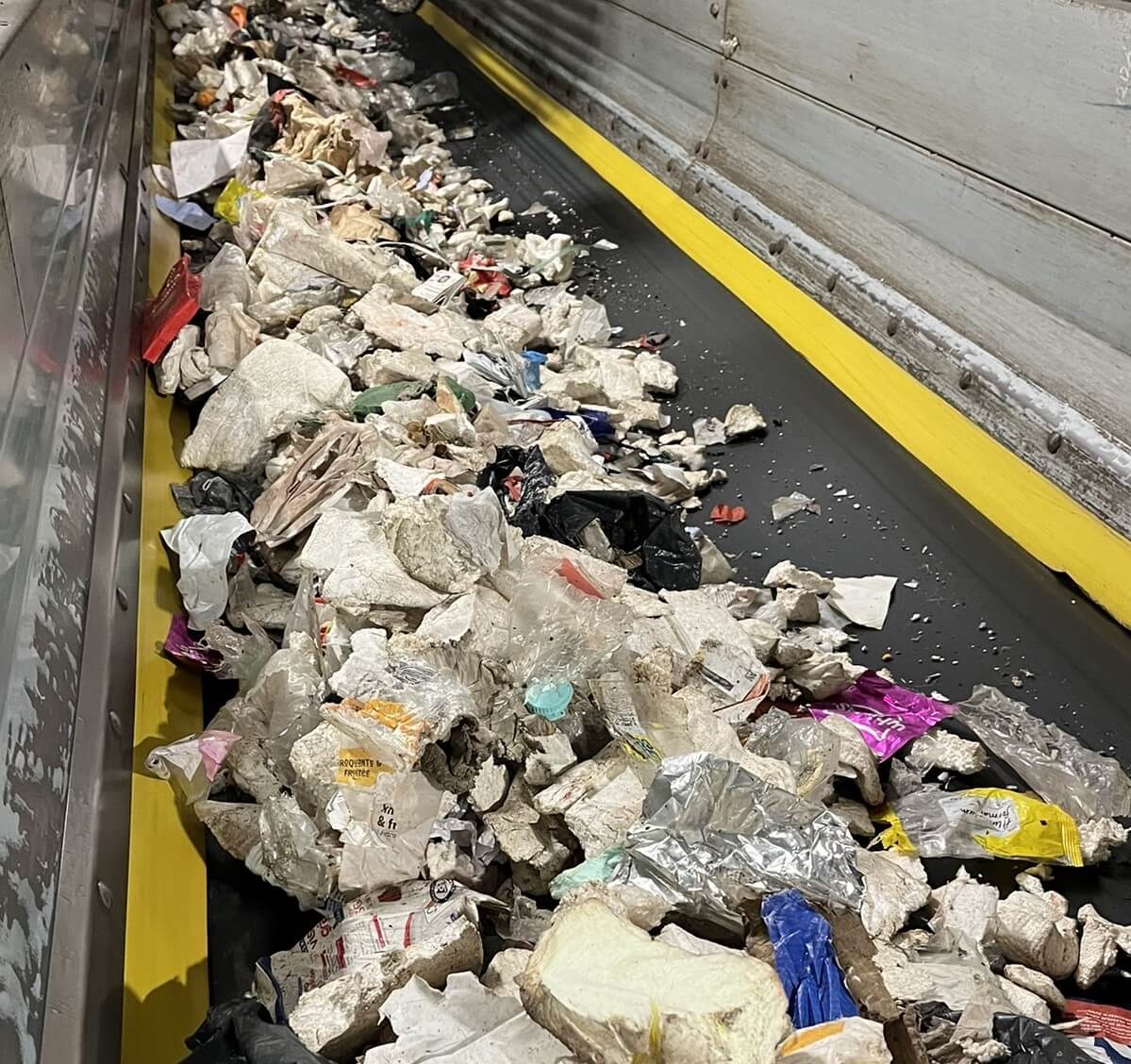
Product quality is inconsistent. Material losses increase. Root causes are not transparent.
Downtime is elevated. Subsystems are operating at limits, and robust shift-level data is missing.
Transparent before/after comparison with test design for throughput, quality, yield, and availability.
Material streams are optimized with intent: more valuable output, lower losses, and less downtime.
Standardized routines and practical training support stable performance at a high level.
Acceptance support for operators with robust, contract-relevant documentation.
Open moduleOptimization in existing operations focused on sorting quality, recovery, and uptime.
Open moduleTechnical support after commissioning, conversion, or in unstable quality phases.
Open moduleHands-on training in sorting logic, material behavior, and key routines for efficient use of NIR-based sorting technology.
Open moduleTemporary technical leadership in demanding project and operating phases.
Open moduleAnalysis support with camera, software, and equipment for faster identification of optimization opportunities in sorting processes.
Open moduleYears in process optimization
International projects
Hours of on-site operational support
Sorting units
Sorting fractions
kt/y cumulative annual throughput
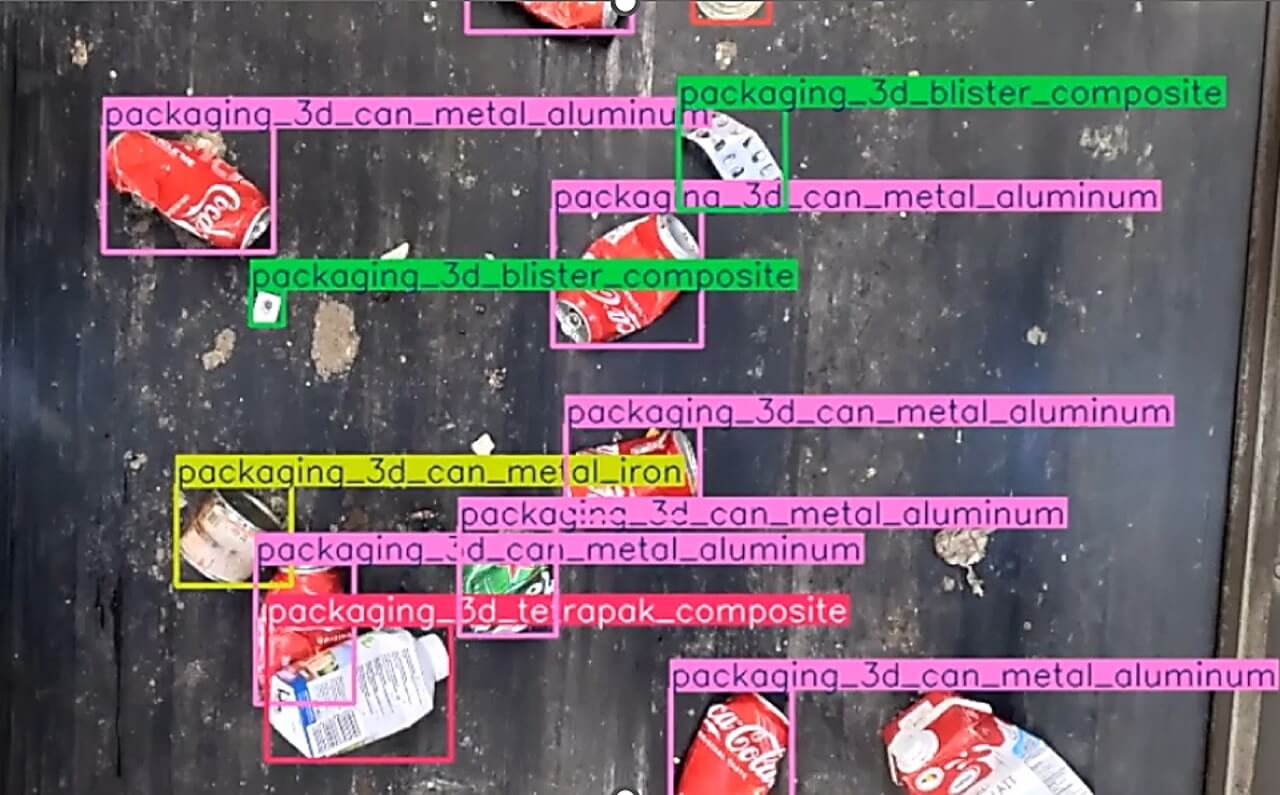
Use of neutral modern data- and AI-assisted systems for material stream analysis.
 Tablet.jpg)
Consolidate KPI baseline, operating data, material flow, and shift observations.
Define objectives and target corridors together, for example higher PET, PE, and PP yield.
Use modern data- and AI-assisted systems to identify optimization potential in material streams.
Analyze and interpret data, then translate it into concrete measures.
Implement optimization and establish it as standards in parameters, routines, and processes.
Train teams on the real plant: sorting logic, standards, checklists, and shift priorities.
Review KPI regularly and adjust targets where needed until operation is stable.
Especially during final acceptance, after rebuilds, in unstable KPI phases, or when internal capacity for structured root-cause work is limited.
Usually throughput, purity, recovery, yield by fraction, availability, and unplanned downtime.
With a project check covering target picture, available data, plant status, critical symptoms, first hypotheses, and a realistic work plan.
Both. Short term means prioritized bottlenecks. Long term means stable standards and robust control logic.
AI acts as analysis support for faster pattern and deviation detection in material streams. Operational decisions remain with the operator team.
Yes. I have spent several hundred on-site hours in NIR-based sorting plants, especially in optimization, process analysis, and operational stabilization.
With clear formats: diagnostic report, test protocols, KPI comparison, action list, responsibilities, and review rhythm.
No. The work is independent and aligned with operator goals, contract reality, and verifiable outcomes.
Depending on data quality and process state, often within a few weeks through prioritized actions and initial KPI trends.
In the initial call, we align on starting point, KPI priorities, available data, target outcomes, and a reliable project path.
Please include plant type, fractions, main issue, and preferred start window.